FINANCEVerifide Authenticated
India Faces 10% US Tariff: 2026 Impact on Exports & Economy
Aug 16, 20267 min read1,331 words
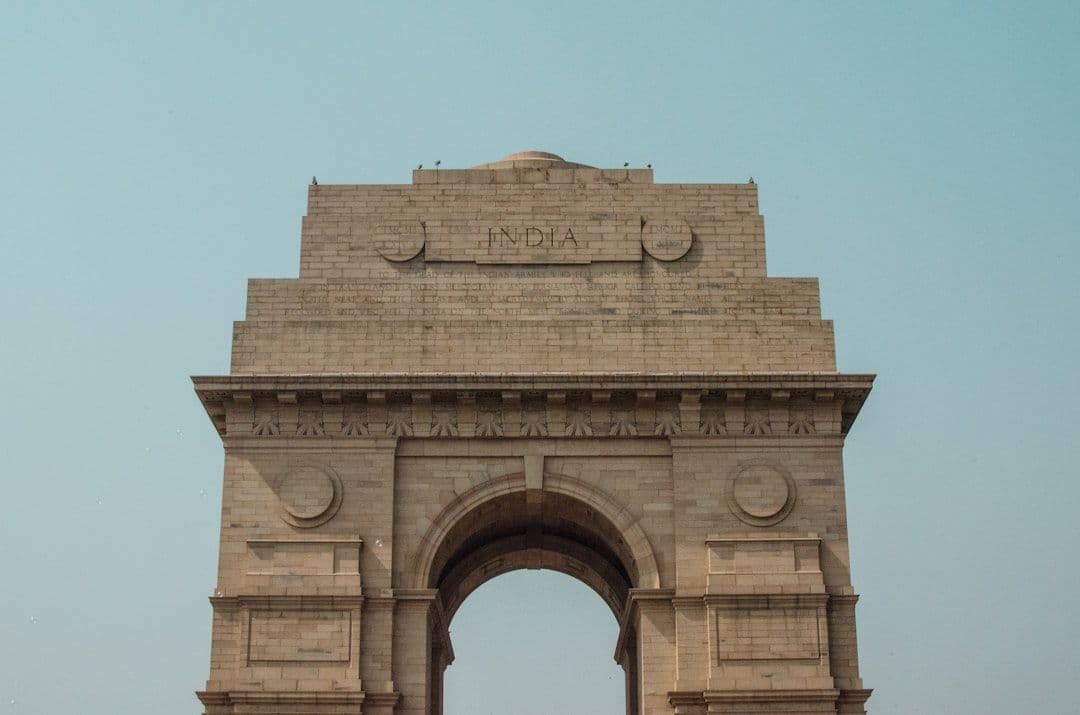
The recent announcement by the White House confirming a temporary 10 percent tariff for India has sent shockwaves through the Indian economy, particularly among exporters. According to a report by News On AIR, this decision comes after a US Supreme Court ruling, which has significant implications for India's export sector. As the news breaks, Indian businesses and policymakers are scrambling to understand the impact of this move on the country's economy. In this article, we will delve into the details of the US tariff on India, its potential effects on exports and the economy, and what it means for Indian businesses and consumers.
• The US has imposed a temporary 10 percent tariff on Indian exports, which is expected to affect various sectors, including textiles, pharmaceuticals, and gemstones.
• The move is likely to result in a decline in Indian exports to the US, potentially leading to job losses and revenue shortfalls for Indian businesses.
• The Indian government is expected to engage in diplomatic efforts to resolve the issue and minimize the impact of the tariff on the country's economy, with potential long-term implications for the US-India trade relationship.
The US tariff on India is a significant development, given the country's growing trade relationship with the US. India is one of the largest exporters to the US, with exports valued at over ₹5 lakh crore (approximately $65 billion USD) in 2022. The imposition of a 10 percent tariff will increase the cost of Indian goods in the US market, making them less competitive compared to products from other countries. This could lead to a decline in Indian exports to the US, which would have a ripple effect on the Indian economy. The Indian government has been actively engaging with the US to resolve trade disputes and promote bilateral trade, but the recent Supreme Court ruling has added a new layer of complexity to the issue.
The current trade landscape between India and the US is characterized by a mix of cooperation and competition. While the two countries have been working together on various initiatives, such as the Indo-Pacific Economic Framework, they have also been engaging in trade disputes, including the recent spat over Indian tariffs on US imports. The US tariff on India is likely to escalate tensions between the two countries, potentially leading to a trade war. Indian businesses, particularly small and medium-sized enterprises (SMEs), are likely to be disproportionately affected by the tariff, as they may not have the resources to absorb the increased costs.
The US tariff on India is a result of a long-standing trade dispute between the two countries. The US has been pushing India to reduce its tariffs on US imports, particularly in the areas of agriculture and technology. India, on the other hand, has been seeking greater market access for its exports, including textiles and pharmaceuticals. The recent Supreme Court ruling has given the US the upper hand in the dispute, allowing it to impose tariffs on Indian exports.
The 10 percent tariff is expected to affect various sectors of the Indian economy, including textiles, pharmaceuticals, and gemstones. Indian textile exporters, for example, will face increased competition from other countries, such as Bangladesh and Vietnam, which do not face similar tariffs. The pharmaceutical sector, which is a significant contributor to India's export earnings, will also be affected, as US tariffs will increase the cost of Indian medicines in the US market.
The US tariff on India is likely to have significant economic implications for the country. A decline in exports to the US will result in revenue shortfalls for Indian businesses, potentially leading to job losses and economic instability. The Indian government may need to provide support to affected businesses, including subsidies and other forms of assistance, to mitigate the impact of the tariff. The tariff will also affect the Indian rupee, potentially leading to a decline in its value against the US dollar.
The US tariff on India will have far-reaching implications for various stakeholders, including Indian businesses, consumers, and policymakers. Indian exporters will need to adapt to the new reality, potentially by diversifying their export markets or seeking alternative routes to the US market. Consumers in the US will also be affected, as the tariff will increase the cost of Indian goods, potentially leading to higher prices.
The Indian government will need to engage in diplomatic efforts to resolve the issue and minimize the impact of the tariff on the country's economy. This may involve negotiations with the US to reduce or eliminate the tariff, as well as efforts to promote Indian exports to other markets. The government may also need to provide support to affected businesses, including subsidies and other forms of assistance, to mitigate the impact of the tariff.
The US tariff on India is a temporary 10 percent tariff imposed on Indian exports to the US. The tariff will increase the cost of Indian goods in the US market, making them less competitive compared to products from other countries. This could lead to a decline in Indian exports to the US, potentially resulting in job losses and revenue shortfalls for Indian businesses.
The US tariff on India is expected to affect various sectors, including textiles, pharmaceuticals, and gemstones. Indian textile exporters, for example, will face increased competition from other countries, such as Bangladesh and Vietnam, which do not face similar tariffs. The pharmaceutical sector, which is a significant contributor to India's export earnings, will also be affected, as US tariffs will increase the cost of Indian medicines in the US market.
The Indian government is expected to engage in diplomatic efforts to resolve the issue and minimize the impact of the tariff on the country's economy. This may involve negotiations with the US to reduce or eliminate the tariff, as well as efforts to promote Indian exports to other markets. The government may also need to provide support to affected businesses, including subsidies and other forms of assistance, to mitigate the impact of the tariff.
The US tariff on India has significant long-term implications for the US-India trade relationship. The tariff will escalate tensions between the two countries, potentially leading to a trade war. Indian businesses, particularly SMEs, will be disproportionately affected by the tariff, as they may not have the resources to absorb the increased costs. The Indian government will need to engage in diplomatic efforts to resolve the issue and promote a more stable and predictable trade relationship with the US.
The US tariff on India is a significant development, with far-reaching implications for the Indian economy and the US-India trade relationship. The Indian government will need to engage in diplomatic efforts to resolve the issue and minimize the impact of the tariff on the country's economy. The US tariff on India will also have significant implications for Indian businesses, particularly SMEs, which will need to adapt to the new reality and seek alternative routes to the US market. As the situation unfolds, it is essential to monitor the developments and assess the impact of the US tariff on India, with a focus on finding solutions to promote a more stable and predictable trade relationship between the two countries. The primary keyword "US tariff on India" has been a critical aspect of this analysis, highlighting the need for a comprehensive understanding of the issue and its implications for the Indian economy.
This article has been independently verified by the Vrifide editorial team. The source data and confidence assessment are provided below for full transparency.
Confidence Score
87%
No comments yet. Be the first to share your thoughts!


