FINANCEVerifide Authenticated
India's $25.58B Beverage Packaging Boom by 2035: Investment Opportunities
Aug 4, 20266 min read1,186 words
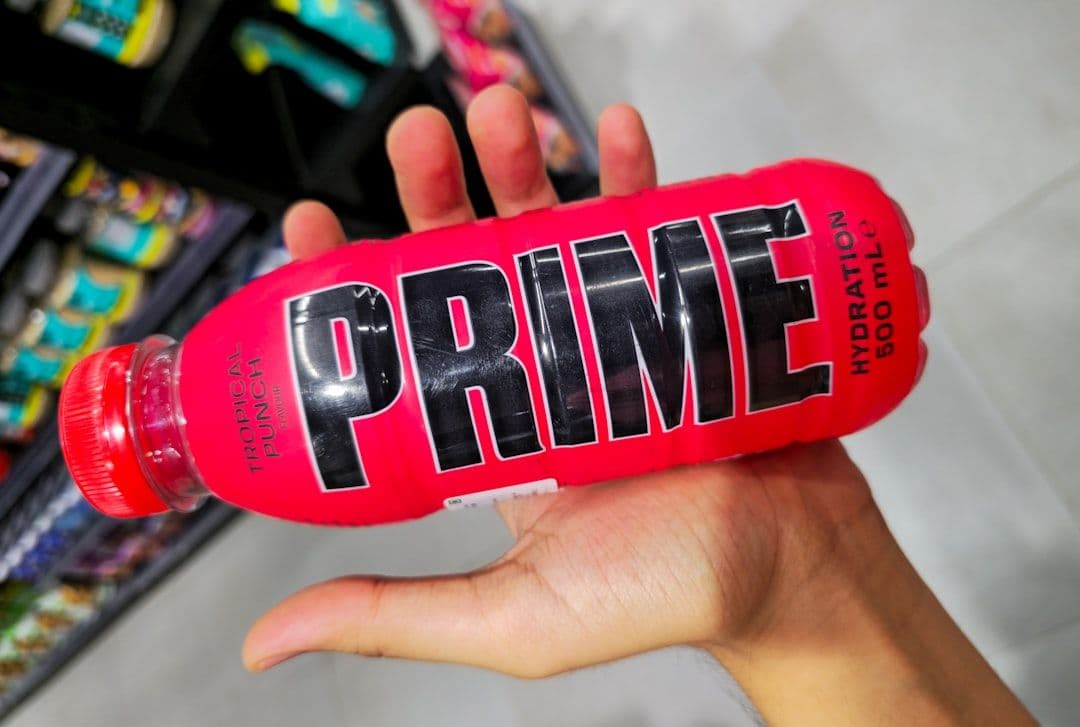
The Indian beverage packaging market is poised for significant growth, with projections indicating a worth of $25.58 billion by 2035, according to a recent report by Precedence Research. This substantial increase presents numerous investment opportunities for stakeholders in the industry. Key takeaways from this development include:
• The India beverage packaging market is expected to experience rapid expansion, driven by increasing demand for packaged beverages and shifting consumer preferences.
• The growth of the market will be influenced by factors such as urbanization, rising incomes, and the proliferation of e-commerce platforms.
• Investors and industry players must be aware of the emerging trends and challenges in the India beverage packaging market to capitalize on the opportunities and mitigate potential risks.
The report by Precedence Research provides valuable insights into the India beverage packaging market, highlighting its potential for growth and the factors that will drive this expansion. The market's projected worth of $25.58 billion by 2035 translates to approximately ₹1,93,111 crores, considering the current exchange rate. This significant growth prospects make the India beverage packaging market an attractive investment opportunity for stakeholders. The key takeaways from the report emphasize the importance of understanding the market's dynamics, including the impact of urbanization, changing consumer preferences, and the rise of e-commerce.
The India beverage packaging market is experiencing a transformative phase, driven by changing consumer behaviors, advances in technology, and evolving regulatory requirements. The growth of the middle class, increasing urbanization, and rising disposable incomes have led to a surge in demand for packaged beverages, contributing to the expansion of the India beverage packaging market. Furthermore, the COVID-19 pandemic has accelerated the adoption of e-commerce platforms, resulting in a significant increase in online sales of packaged beverages. As a result, industry players must adapt to these changes and invest in innovative packaging solutions, sustainable materials, and digital technologies to remain competitive. The India beverage packaging market's projected growth highlights the need for investors, manufacturers, and regulators to work together to address the challenges and capitalize on the opportunities emerging in the market.
The India beverage packaging market is driven by several factors, including the growing demand for packaged beverages, increasing urbanization, and the proliferation of e-commerce platforms. The market is also influenced by changing consumer preferences, with a growing emphasis on sustainability, convenience, and health-consciousness. Additionally, advances in technology, such as the development of innovative packaging materials and digital printing, are expected to shape the future of the India beverage packaging market.
The India beverage packaging market is characterized by the presence of several key players, including multinational corporations and domestic companies. The market is highly competitive, with companies competing on factors such as price, quality, and innovation. The report by Precedence Research highlights the importance of understanding the competitive landscape and emerging trends in the India beverage packaging market to develop effective business strategies.
The India beverage packaging market is subject to various regulatory requirements, including those related to packaging materials, labeling, and waste management. The government has implemented several initiatives aimed at reducing plastic waste and promoting sustainable packaging practices. Industry players must comply with these regulations and invest in sustainable packaging solutions to minimize their environmental impact and ensure compliance with regulatory requirements.
The growth of the India beverage packaging market is expected to have a significant impact on the industry and the public. The market's expansion will create new job opportunities, stimulate economic growth, and increase the availability of packaged beverages. However, the growth of the market also raises concerns about the environmental impact of packaging waste, highlighting the need for sustainable packaging practices and effective waste management systems. Experts believe that the India beverage packaging market must adopt a circular economy approach, focusing on the design of sustainable packaging, the use of recyclable materials, and the development of closed-loop production systems.
The India beverage packaging market is driven by several factors, including the growing demand for packaged beverages, increasing urbanization, and the proliferation of e-commerce platforms. The market is also influenced by changing consumer preferences, with a growing emphasis on sustainability, convenience, and health-consciousness. Additionally, advances in technology, such as the development of innovative packaging materials and digital printing, are expected to shape the future of the India beverage packaging market.
The India beverage packaging market is experiencing several emerging trends, including the adoption of sustainable packaging materials, the development of innovative packaging designs, and the use of digital technologies. The market is also witnessing a shift towards premiumization, with consumers increasingly seeking high-quality, unique, and personalized packaging experiences. Furthermore, the growth of e-commerce has led to an increase in demand for packaging solutions that are designed for online sales, such as packaging that is optimized for shipping and handling.
The India beverage packaging market faces several challenges, including the need to reduce packaging waste, comply with regulatory requirements, and address changing consumer preferences. The market is also subject to fluctuations in raw material prices, which can impact the profitability of industry players. Additionally, the growth of the market is dependent on the development of sustainable packaging solutions, the adoption of digital technologies, and the ability of industry players to adapt to changing consumer behaviors and regulatory requirements.
The India beverage packaging market presents several investment opportunities, including the development of sustainable packaging materials, the adoption of digital technologies, and the expansion of e-commerce platforms. Investors can also explore opportunities in the development of innovative packaging designs, the creation of premium packaging experiences, and the provision of packaging solutions for online sales. Furthermore, the growth of the market is expected to create new job opportunities, stimulate economic growth, and increase the availability of packaged beverages, making it an attractive investment opportunity for stakeholders.
The India beverage packaging market is poised for significant growth, with projections indicating a worth of $25.58 billion by 2035. The market's expansion will be driven by increasing demand for packaged beverages, shifting consumer preferences, and the proliferation of e-commerce platforms. Industry players must adapt to these changes and invest in innovative packaging solutions, sustainable materials, and digital technologies to remain competitive. The growth of the market presents numerous investment opportunities, including the development of sustainable packaging materials, the adoption of digital technologies, and the expansion of e-commerce platforms. As the India beverage packaging market continues to evolve, it is essential for stakeholders to stay informed about emerging trends, regulatory requirements, and changing consumer preferences to capitalize on the opportunities and mitigate potential risks. The India beverage packaging market's projected growth highlights the need for a collaborative approach, with industry players, regulators, and investors working together to address the challenges and capitalize on the opportunities emerging in the market.
This article has been independently verified by the Vrifide editorial team. The source data and confidence assessment are provided below for full transparency.
Confidence Score
86%
No comments yet. Be the first to share your thoughts!


