The Death of Traditional Cable: Why Decentralized Streaming Protocols are Dominating 2026
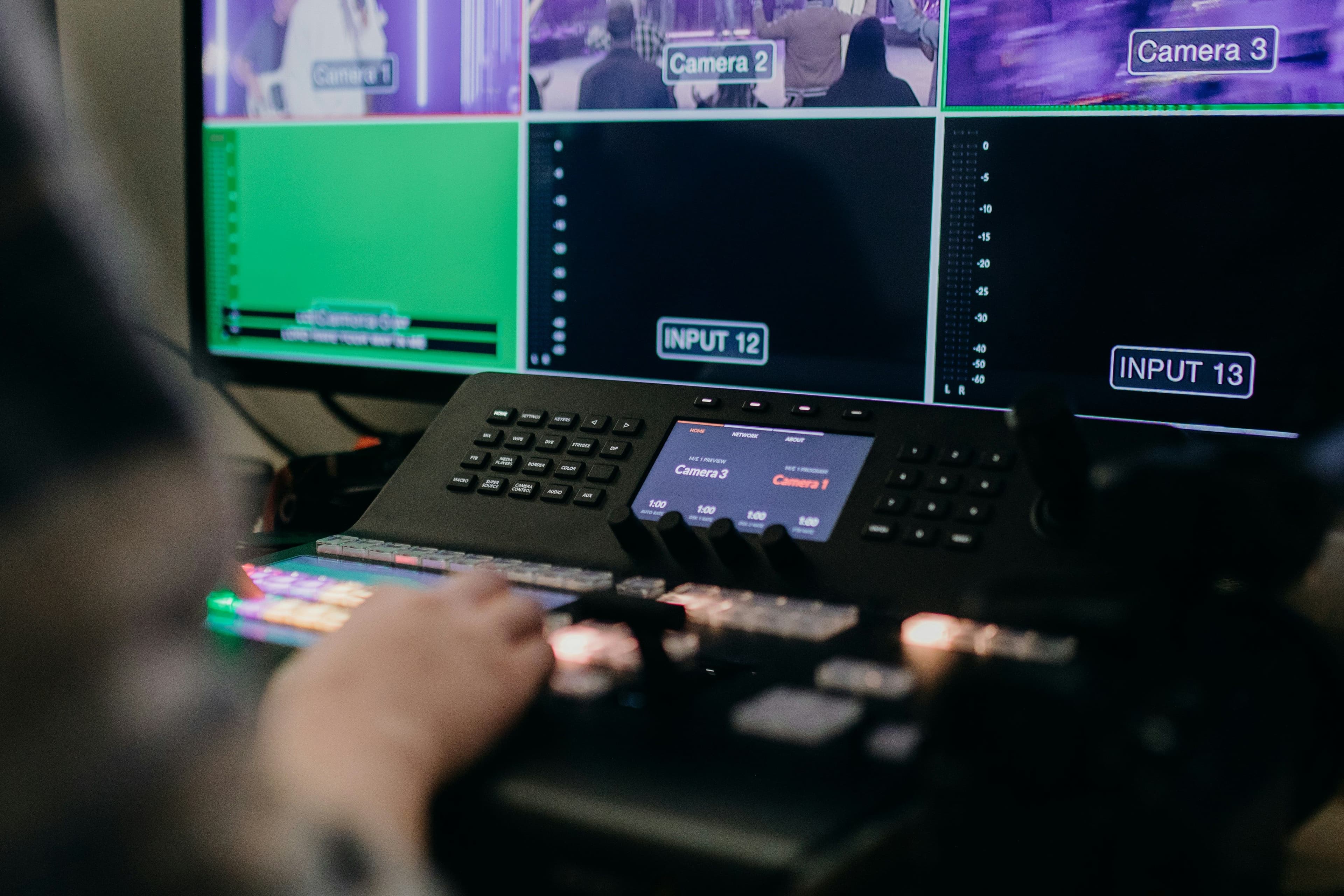
The traditional cable television network model is officially on life support. For decades, legacy broadcasting corporations controlled distribution channels, forcing consumers into expensive, rigid subscription bundles packed with unwatchable filler channels. The first wave of internet streaming services disrupted this model, but in 2026, the industry is undergoing a second, more radical transformation driven by decentralized media protocols.
The Collapse of Content Centralization Standard streaming platforms have become highly fractured, forcing users to maintain five to ten separate monthly subscriptions just to access basic entertainment. Furthermore, platform-specific censorship and localized licensing agreements frequently restrict access based on geographic boundaries. Consumers are pushing back against these corporate walled gardens.
The Rise of Decentralized Media Networks Decentralized streaming infrastructure leverages edge routing and peer-to-peer distribution mechanics to completely bypass centralized data centers.
- Blistering Speed and Zero Buffering: By distributing source video chunks across thousands of global network nodes simultaneously, bandwidth costs plunge by over 80%.
- Direct Monetization for Creators: Smart legal and financial automation routing inside these platforms ensures that advertising revenue goes straight to creators without corporate middlemen taking a 50% cut.
- Impenetrable Censorship Resistance: Content is cryptographically stored across immutable distributed ledgers, preventing sudden, unilateral platform takedowns or localized political blocks.
The era of corporate entities dictating what you watch, when you watch, and how much you pay is drawing to a permanent close. Peer-to-peer open media routing is the absolute future of global entertainment.


